

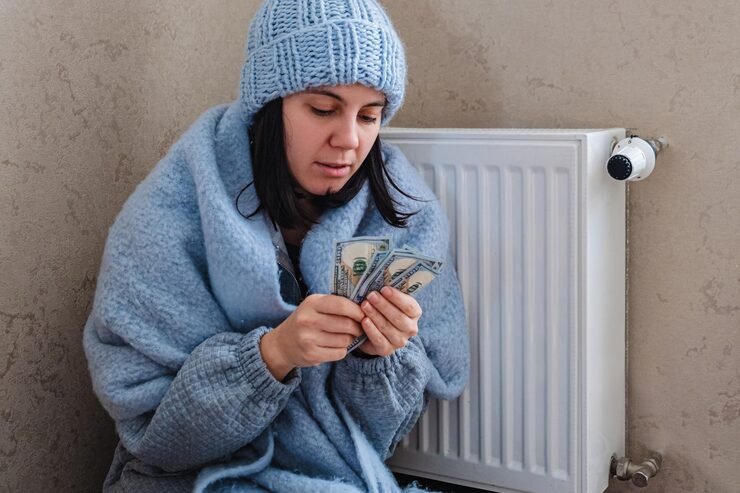
Winter bills feel heavy when the heating runs all day. The goal is simple. Stay warm, keep your home safe, and stop wasting energy. Small changes to boiler settings, insulation, and daily habits make a real difference over a whole season.
Understanding your boiler
Start by getting familiar with your system. Look at the front of the boiler, the controls, the pressure gauge, and any wall thermostat. If you have a hot water cylinder, find the thermostat on that too. A quick look at the user manual helps you see what each control does, so you feel more confident making changes.
Setting the boiler flow temperature
Many boilers work with a “flow temperature”. This is the temperature of the water that travels from the boiler into your radiators. Older homes often run this very high. That leads to very hot radiators, short blasts of heat, and more fuel use than needed.
For most modern systems, a lower flow temperature still warms the home well, while using less energy. Adjust it in small steps on the boiler control. After each change, give the system a day to settle. If rooms stay warm and comfortable, you have likely found a more efficient level.
Using your thermostat wisely
The thermostat acts like the brain of your heating. Every extra degree on the dial adds cost, without much extra comfort. Many households feel comfortable with living areas around 18 to 20 degrees. Bedrooms usually work well a little cooler.
Keep these points in mind:
• Pick one steady daytime setting that suits everyone.
• Drop the temperature slightly overnight.
• Avoid large jumps up and down during the day.
Steady heat helps the boiler run smoothly. The house feels more even, and you avoid the shock of short, intense heating periods.
Creating a sensible heating schedule
Use your programmer or timer so the heating runs when you need it, not all the time. Think through your daily routine. When people wake up, leave for work or school, return, and go to bed.
You might:
• Set the heating to start 30 to 45 minutes before you get up.
• Turn it down or off when the home is empty.
• Warm the house again before the evening.
If you have smart controls, use separate programmes for weekdays and weekends. Review the schedule once a week and tweak it so the heating matches real life, not guesswork.
Improving insulation
Warm air escapes through the roof, walls, windows, and gaps. Insulation slows that escape and gives you better value from every unit of energy.
Key areas to check:
• Loft insulation depth and condition
• Draughts around external doors
• Gaps around window frames and floorboards
Adding or topping up loft insulation often gives one of the strongest returns. Golden Ratio Windows suggests Draught proofing strips around doors and windows are simple to fit and stop cold air creeping in around the edges.
Using curtains and doors
Soft furnishings work hard for you in winter. Thick, lined curtains help reduce heat loss through glass. Close them as soon as light fades, especially in rooms you use in the evening. During the day, open them to make the most of any sun.
Internal doors also matter. Keep doors closed to rooms you are heating. That keeps warm air where you need it, instead of letting it spread into hallways and spare rooms.
Looking after radiators
Radiators need clear space to work well. Large furniture, shelves, or heavy covers block warm air from circulating into the room. Try to leave a small gap between radiators and sofas or beds.
Bleed your radiators at the start of winter and again mid-season if you notice cold spots. Trapped air makes the top of the radiator cool while the bottom stays hot. Once the air escapes, the whole surface warms up and your boiler works less to reach the same room temperature.
Checking pipe insulation and hot water settings
Lagging on pipes protects hot water as it moves around the home. Look in lofts, garages, and airing cupboards for bare copper pipes. Simple foam covers slide on easily and help keep the heat where you want it.
If you have a hot water cylinder, find the thermostat on its side. A sensible setting gives you safe, hot water without large amounts of heat drifting into the air around the tank. A modern jacket or built-in insulation around the cylinder also reduces waste.
Simple daily habits
Technical changes do a lot, but daily habits matter too. These are small, low-cost steps that support everything else:
• Wear a jumper and warm socks before turning the thermostat up.
• Use draught excluders at the bottom of external doors.
• Close windows soon after airing a room in the morning.
• Place rugs on cold floors in living areas and bedrooms.
Taken alone, each step feels minor. Together, they ease the load on your boiler and reduce the hours it needs to run.
Thinking about smart controls and valves
Smart thermostats and thermostatic radiator valves give more control over different rooms. A home office might need warmth through the day, while spare rooms stay cooler. Bedrooms often need less heat than living spaces.
By controlling each space separately, you direct your heating budget to the rooms that get regular use. That helps comfort and avoids paying to heat empty areas.
When to bring in a professional
Some tasks sit firmly in the “expert only” box. Gas work, internal boiler repairs, and detailed combustion checks require a qualified engineer. A yearly service keeps your boiler safe, efficient, and less likely to fail on the coldest day of the year.
If you notice leaks, strange noises, frequent pressure loss, or error codes on the display, do not ignore them. Early attention often prevents a full breakdown and higher repair costs.
Final thoughts and next steps
Lower heating costs do not need drastic changes. A mix of smarter boiler settings, better insulation, and simple daily habits helps your home stay warm while your bills stay under control. Regular expert checks protect both safety and efficiency.
For peace of mind before the temperature drops further, schedule an efficiency check with Boiler Heating Services. A thorough inspection and practical advice will help your heating system work at its best for every pound you spend this winter.

